
The future of celebrity PR and what Bollywood is not ready for
Likeness, trust and AI search are about to rewrite the rules of Bollywood PR

Ask a Bollywood publicist what keeps them awake and the answer used to be a leaked photograph or a badly timed interview. Ask the same question today and the list is longer and stranger. A face that can be cloned by anyone with a laptop. A review that may or may not have been bought. A search engine that answers questions about a star without sending a single reader to the star’s own website. The industry has spent decades perfecting the art of the press release and the paparazzi shot, and almost none of that training applies to what is coming next.
Your face is now a legal asset, and most teams are treating it like a photograph
The first shift is already in the courtroom. Amitabh Bachchan won a Delhi High Court injunction in 2022 against unauthorised use of his name, voice and likeness. Aishwarya Rai Bachchan sought similar protection in September 2025 over merchandise and manipulated digital content. In February 2026 the same court, in an ex parte ad-interim order, told Meta and Google to remove hundreds of identified links for Kajol within 72 hours and ordered e-commerce platforms to delist products carrying her face. In June 2026 Varun Dhawan secured interim relief against AI-generated deepfakes of his identity.
Those orders matter because the rules around them are changing at speed. India notified amendments to its IT Rules on 10 February 2026, effective from 20 February, requiring synthetic content to be prominently labelled and carry permanent provenance markers. Platforms must now act on government or court takedown orders within three hours, down from 36.
Here is the uncomfortable part for the industry. A three-hour window rewards the celebrity team that already has its paperwork, its monitoring and its legal contact ready. It punishes the one that finds out about a fake at breakfast and starts drafting a statement by lunch. Lawyer Sumit Nagpal has suggested that stars may eventually license their voice, image or persona, with PR and advertising agencies managing those rights, and that damages claims in the Delhi High Court can start at around Rs 2 crore. Reputation management is turning into rights management, and that is a different job with a different skill set.
Consent is the next battleground
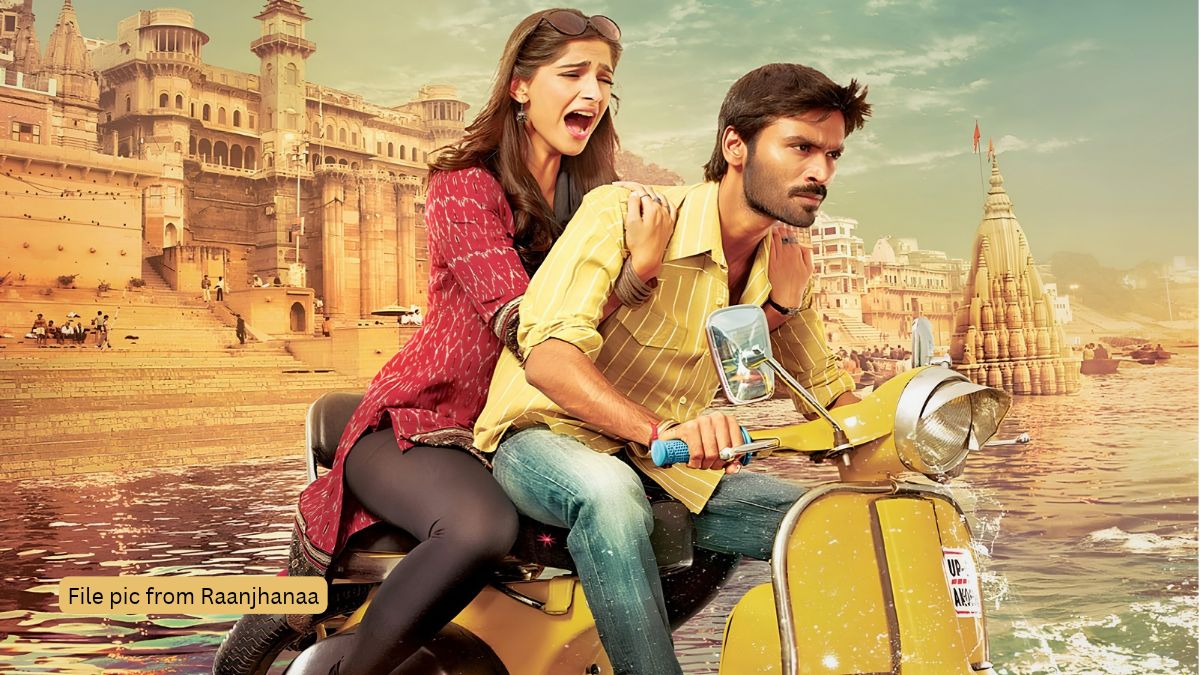
The Raanjhanaa episode offered an early preview. Eros International re-released the Tamil version, ‘Ambikapathy’, with an AI-generated ending in which the lead character survives. Dhanush said the new climax had completely disturbed him and stripped the film of its soul. Director Aanand L Rai told Variety that the release had gone ahead without the makers’ knowledge, consent or involvement. Eros disputed that, said the director had waived moral rights in writing and called the version a respectful reinterpretation.
Who is right is a matter for lawyers. The point for publicists is simpler. Stars who once worried about what they said in public must now worry about what a studio, a platform or a stranger can make them appear to have done.
The paid PR problem is no longer a secret
The second shift is about trust, and it is arriving from inside the building. Speaking at an event organised by The Week in April 2026, Karan Johar said Bollywood should stop doing PR and that all PR is now paid PR. He admitted he had used it himself. His question was the one every marketing head should be asking. Are people really liking it, or have they been paid to like it?
The wider reporting backs up his unease, though not all of it can be proven. Al Jazeera reported in 2025 that paid articles from established outlets cost between 5 million and 50 million rupees, and that interviewees believed reviews can shift first-week business by 10 to 15 per cent. An anonymous Yash Raj Films executive put the share of paid reviews at 70 to 80 per cent, which is a claim worth treating with caution since it came without a name attached. On the other side of the ledger, actors including Pooja Hegde, Rashmika Mandanna and Yami Gautam have spoken of paid negative campaigns and an extortion-like culture around coverage, though the evidence for specific payments remains largely anecdotal.
Whatever the exact numbers, audiences have noticed. A strategy that depends on buying a reaction works only while nobody suspects the reaction was bought. Once suspicion becomes the default, every real compliment loses value along with the fake ones.
Search is now answering before anyone clicks
The third shift is quieter and probably the most commercially important. PR.co reported in January 2026, citing WSI World, that nearly 60 per cent of Google searches now end without a click because AI summaries answer the question directly. The same piece argued that credibility is replacing visibility as the main goal, since AI features tend to favour trustworthy sources even when their reach is modest.
Apply that to a film star. When a fan or a brand manager asks an AI assistant about an actor, the answer is assembled from whatever verifiable material exists. A well-sourced profile, accurate filmography and credible coverage will be drawn on. A thin website and a pile of paid placements will not carry the same weight. Bollywood has spent years optimising for the front page of an entertainment portal. It has barely begun optimising for the paragraph a machine reads aloud.
What will matter more, not less
None of this means the publicist disappears. A PR analysis expects about 75 per cent of PR professionals to be using generative AI already, and argues that shared tools will make brand voices sound alike, which raises the value of human judgement. Original, opinionated and named content may build more credibility than flawless synthetic prose. Independent and niche publications are also growing, with Substack passing five million paid subscriptions in 2025.
That points to the real opportunity. Stars who can show genuine opinions, a verifiable record and a relationship with their audience that does not depend on purchased applause will be in a far stronger position than those who cannot. The industry that learns to treat trust as an asset, and likeness as property, will be the one that is ready.
Summing it up
Bollywood’s celebrity PR faces three shifts it has not fully prepared for. Likeness has become a legal asset, with Delhi High Court orders for Amitabh Bachchan, Aishwarya Rai Bachchan, Kajol and Varun Dhawan, new IT Rules requiring AI labelling and a three-hour takedown window, and growing disputes over consent such as the AI-altered ‘Raanjhanaa’ ending. Paid PR is losing credibility, as Karan Johar’s own remarks suggest. And AI-driven search is deciding reputations before readers click, which favours verifiable, trustworthy sources over bought visibility.