
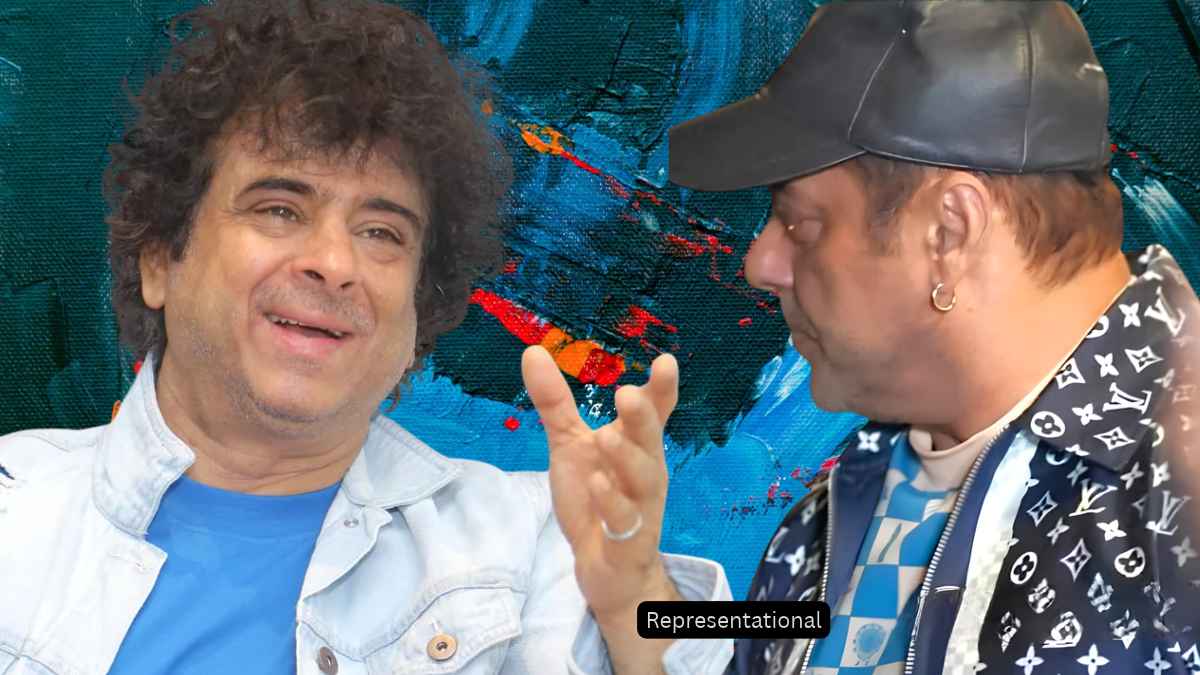

When a superstar takes off his cap on national television and tells the country that trolling has become a business, people tend to applaud. When a rock musician who lives far from Mumbai replies that the superstar helped build that business, people tend to lean in. That is precisely what happened this month, and it says as much about the state of Bollywood publicity as it does about the two men involved.
What Salman said on the show
On a recent ‘Weekend Ka Vaar’ episode of ‘Bigg Boss 20’, Salman Khan addressed online abuse head on. He said trolls are paid and that there might be heroes or producers who encourage this by paying some money. He added that they are making money by putting you down. He also said he knows who trolls him, that fan clubs make it easy to see who does what, and that he and his circle simply choose not to react. At one point he asked critics who hand out four or five stars to films for money whether they were in any position to talk about ethics or morals.
The same episode saw him defend Katrina Kaif against comments about her post-pregnancy weight, and his brother Sohail Khan and Varun Dhawan against remarks about their looks. Rohit Shetty, Kunal Kohli, Vivek Oberoi, Varun Dhawan and Neha Dhupia backed him publicly. Actor Sofia Hayat criticised him, then clarified that she had nothing against his appearance.
What Palash Sen said back
In an interview with Screen, Euphoria frontman Palash Sen called Salman’s remarks very brave and then added a pointed qualifier. He is a part of starting this, Sen said. Let’s not forget that. He went further, saying he was telling the interviewer Salman was part of the problem and that we all know it.
Sen’s argument was about structure rather than a single incident. He said problems in the industry start at the top and that powerful people who have stayed in place for years have worked with PR teams. He said both positive and negative PR can be bought, which leaves artists unable to tell whether what is written about them is real. He also questioned whether Salman’s comments on the show were scripted or organic, saying it is hard to tell.
Separating the claim from the evidence
This is where care is needed, and it is worth being plain about it. Sen offered no specific instance, no name beyond Salman and no document to support the claim that Salman helped start paid negative campaigns. No response from Salman or his team has been reported. So what exists on the record is an opinion from a respected musician, delivered in an interview, about a long-standing pattern. It is a serious accusation, but it is an allegation rather than an established fact, and it should be read that way.
It is also worth noting that the two men are not entirely opposed. Salman himself said some heroes or producers may pay for negative campaigns. Sen agrees that the practice exists. The dispute is about who is to blame and whether the person speaking has clean hands.
Sen also described a trailer for a film starring a leading actress that received far more dislikes than likes, which he said led YouTube to remove the dislike button, and said no one could tell whether the reaction was genuine or paid for. One clarification helps here. YouTube began hiding public dislike counts on every video on 11 November 2021, and said the aim was to protect creators from dislike attacks and harassment. The change was platform wide rather than a response to any one film.
Who Palash Sen is, and why his distance matters
Sen is a doctor and the voice of Euphoria, a band formed in 1998 that is best known for ‘Dhoom Pichak Dhoom’ and ‘Maaeri’. At 60, he says he never left medicine for music and still treats patients for free. He told Screen that he does not live in Mumbai because he does not want to deal with industry politics, join camps or flatter powerful people. That vantage point gives him freedom to speak candidly. It also means he is describing the system from outside it, which is worth remembering when weighing his claims.
Why this matters beyond one exchange
The row lands in a month when Bollywood is already arguing with itself about publicity. Karan Johar said in April 2026 that all PR is now paid PR and admitted he had used it himself, asking whether people were really liking a film or had been paid to like it. Al Jazeera reported in 2025 that paid articles from established outlets can cost between 5 million and 50 million rupees, and that interviewees believed reviews can shift first-week business by 10 to 15 per cent, although much of the evidence on specific payments remains anecdotal or anonymous.
For audiences, brands and the publicists who serve them, the lesson is simple. When every compliment and every insult might be purchased, the only publicity worth having is the kind that can be verified. A star who can show a genuine record does not need to win this argument. The ones who cannot are the ones with the most to fear from it.